BMW Admits Charging Extra for Heated Seats Was a Mistake
Key Points
- BMW faced backlash for charging subscriptions on built-in hardware like heated seats.
- BMW now limits subscriptions to software features needing updates and data services.
- Other automakers continue to test how far drivers will tolerate monthly fees.
The Age of Subscription-Based Features
BMW’s push for subscription-based features was pitched as a way to make car ownership more flexible and modern. Owners can unlock features like heated seats, driver aids, or infotainment upgrades after buying the car, paying only for what they want through an online account.
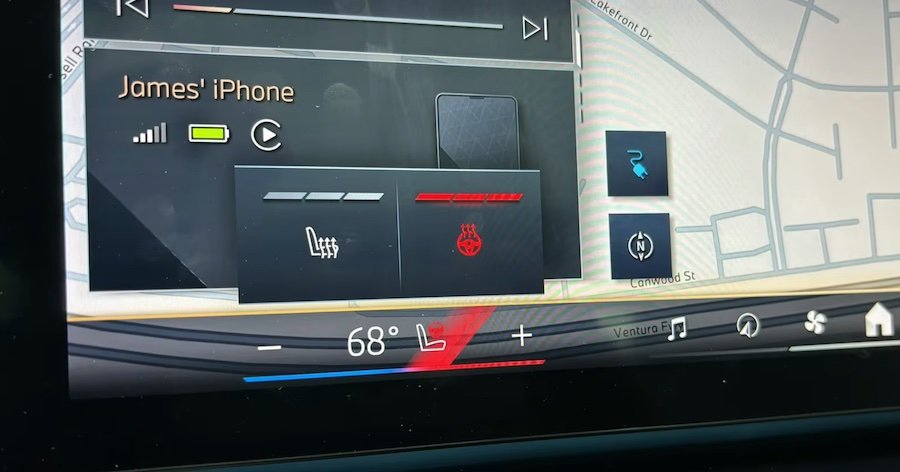
But things didn’t go as planned. Heated seats, especially, set off a wave of criticism. Drivers balked at paying monthly for something already built into their cars, and the backlash was swift. BMW eventually dropped the subscription model for hardware features and went back to a simple one-time payment for heated seats.
BMW later admitted it had misread the room. In an interview with Australian media, executives said heated seats were “probably not the best way to start” with subscriptions, and that the backlash was bigger than they expected, Drive reports.
BMW Isn’t Done With Subscriptions
Even after backing off on heated seats, BMW hasn’t given up on subscriptions. The company still sees a case for charging ongoing fees for software-based features, especially those that need cloud services, data crunching, or regular updates. BMW argues these systems cost money to run long after the car is sold.
BMW added that subscriptions let buyers skip expensive options at first, then add features like driver aids or convenience tech only when they actually need them. For example, someone stuck in traffic for the first time might decide to activate an assistance system they didn’t buy at delivery, just by tapping a button.
That thinking still shapes BMW’s approach with the highly popular iX3, though the company is now more careful about which features it puts behind a paywall. The real lesson from the heated seats episode isn’t to ditch subscriptions, but to pick the right features for them. For the iX3, that would be the 360-degree camera and advanced driving-assist systems.
The Wider Industry Isn’t Slowing Down
Even with lawmakers getting involved and BMW changing course, other carmakers are sticking with subscriptions. Tesla still charges monthly for Full Self-Driving (even removing the one-time payment option), though prices have dropped significantly from before. Volkswagen also offers power upgrades by subscription on some of its EVs, while Mercedes-Benz charges yearly fees to unlock more performance in its EQ cars.
Mazda, too, has stuck to its guns, keeping connected services behind a paywall even after hacking incidents and bad press. For these automakers, subscriptions remain a tempting source of steady income from customers after leaving the showroom – even if the latter isn’t exactly happy about them.
