BMW Is Building iX3s With Old Soda Cans, Fishing Nets, And More
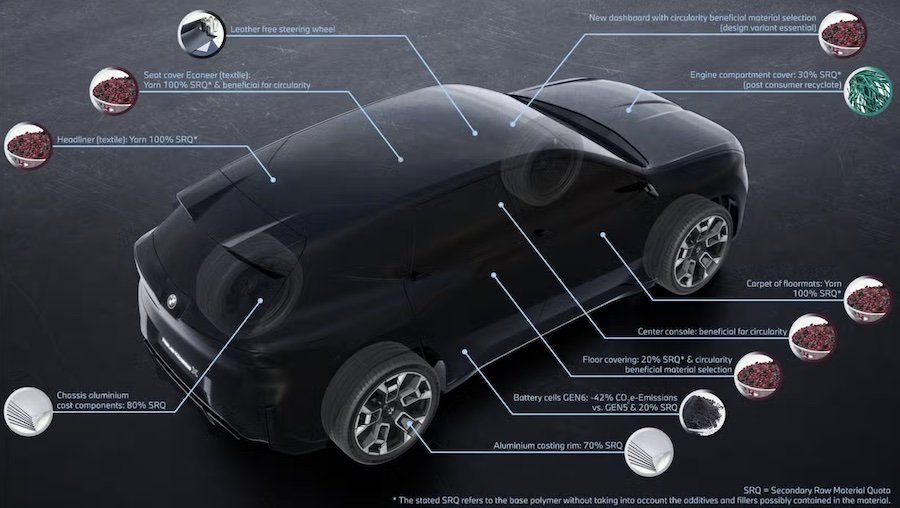
Production is ramping up, too, starting with the SUV's motors. The latest information BMW is sharing is regarding the effort to make the iX3 as green as possible, and not just by running on electricity. The company has made an effort to include a substantial amount of recycled material throughout the car, from the battery pack to the upholstery, and to use as much green energy as possible in production.
Built From Old Aluminum, Plastic, And Even Rarer Materials
Many automakers have been using recycled materials in their new cars, particularly with plastics and upholstery. BMW continues this by using old fishing nets and ropes from the maritime industry in items such as the front motor cover and storage compartment. Thirty percent of those pieces use maritime waste plastics. The interior is brimming with recycled PET plastics, which are commonly found in soda bottles. The entirety of the yarn for the floormats, headliner, and the upholstery for the "Econeer" interior use recycled plastics. BMW says it's also aiming to use primarily PET plastics for all of these parts so that they can be relatively easily recycled in the future when the car is no longer in use.
BMW isn't stopping with plastics, though. Any cast aluminum components on the chassis, particularly the wheel carriers and swivel bearings, are made up of 80% recycled aluminum. The wheels have 70% recycled aluminum. So there's a good chance those wheels contain at least a few old soda cans. This actually builds on a pilot program BMW ran with German wheel company Ronal. The two companies made their first recycled aluminum wheels for the Mini Cooper S E Convertible a couple of years ago. Even the batteries use recycled materials, which might be the most important part considering the environmental issues with mining minerals for batteries. A whole half of the cobalt, lithium, and nickel in the batteries is recycled.
The New iX3 Is Cleaner Than Before, Even Before It's Built
BMW claims that the iX3 is not only more efficient than its predecessor when it's on the road, but also when it's being built. The company says that it has reduced the emissions from battery production by 42% compared to its previous-generation battery packs, and that the iX3's final assembly plant produces 66% fewer carbon dioxide emissions than other BMW assembly facilities. This is all important to reduce, because production is the source of emissions for EVs, and they're usually worse than that for internal-combustion cars. With these improvements, as well as BMW's claim that the iX3 uses 20% less energy than its predecessor, BMW says that lifetime emissions of the iX3 and an equivalent gas-powered X3 will be even after just 13,360 miles. From there on, the iX3 will be well ahead of the gas-powered version.
