Robot Ford F-250 Just Shot Down Drones, No Driver Needed
Update: A Ford spokesperson has confirmed to Motor1 that, "Ford is not directly involved with the Army or the contractor on this project. This particular project involves a military contractor buying Ford trucks and upfitting for their needs."
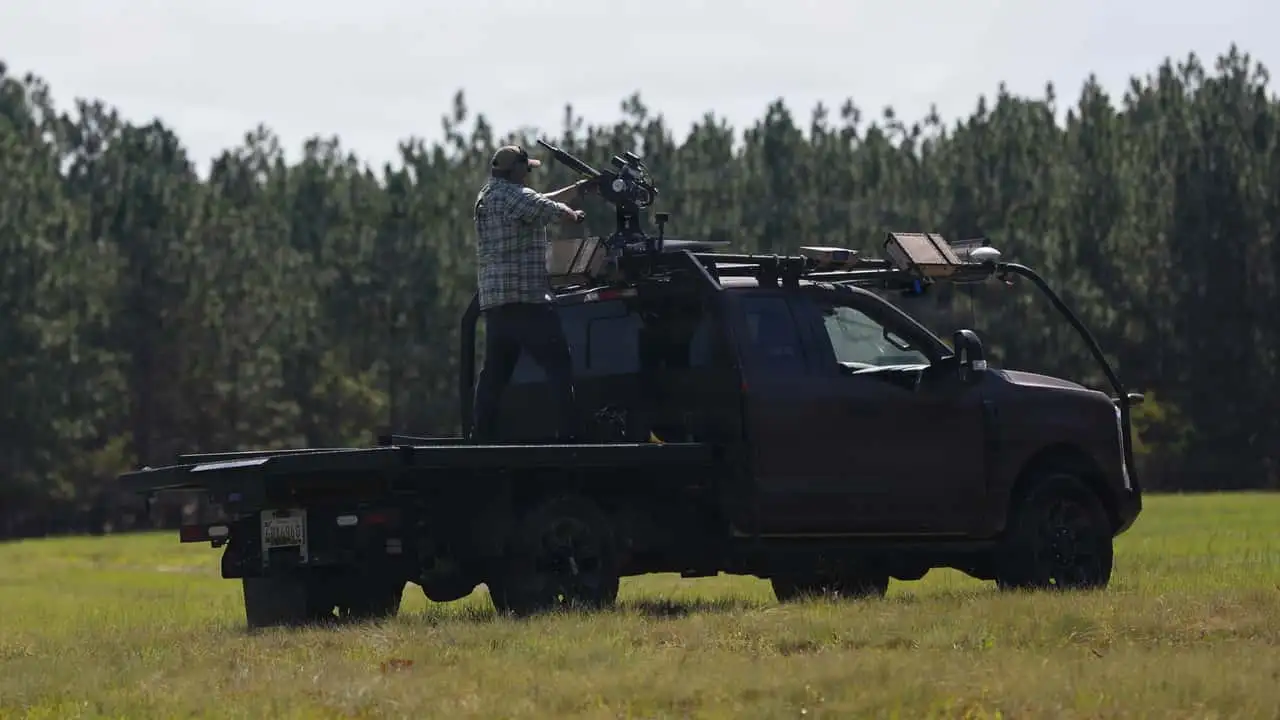
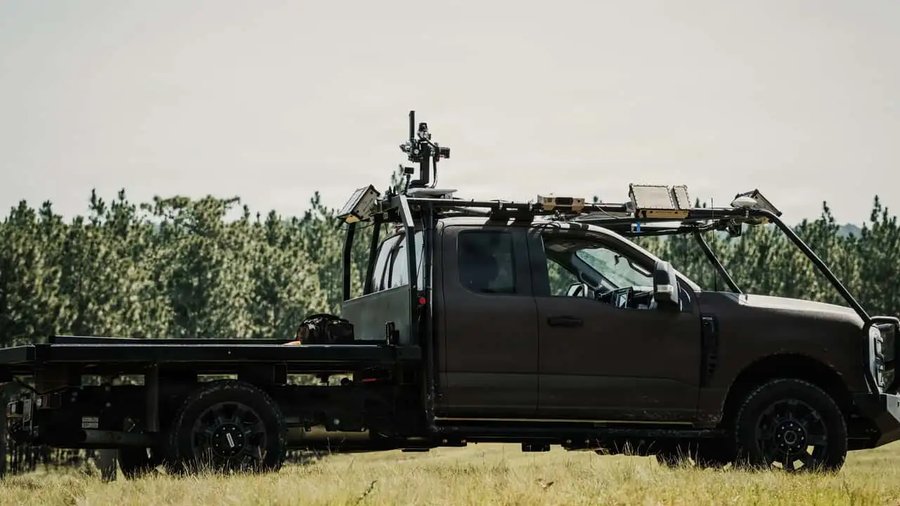
The US Army just ran live-fire tests of a computer-controlled shotgun turret on a driver-optional Ford F-250, knocking down drones while a human gunner worked from off the truck. The Project Sandhills 2.0 exercise took place August 18, 2026, at Range 63 on Fort Liberty, formerly Fort Bragg.
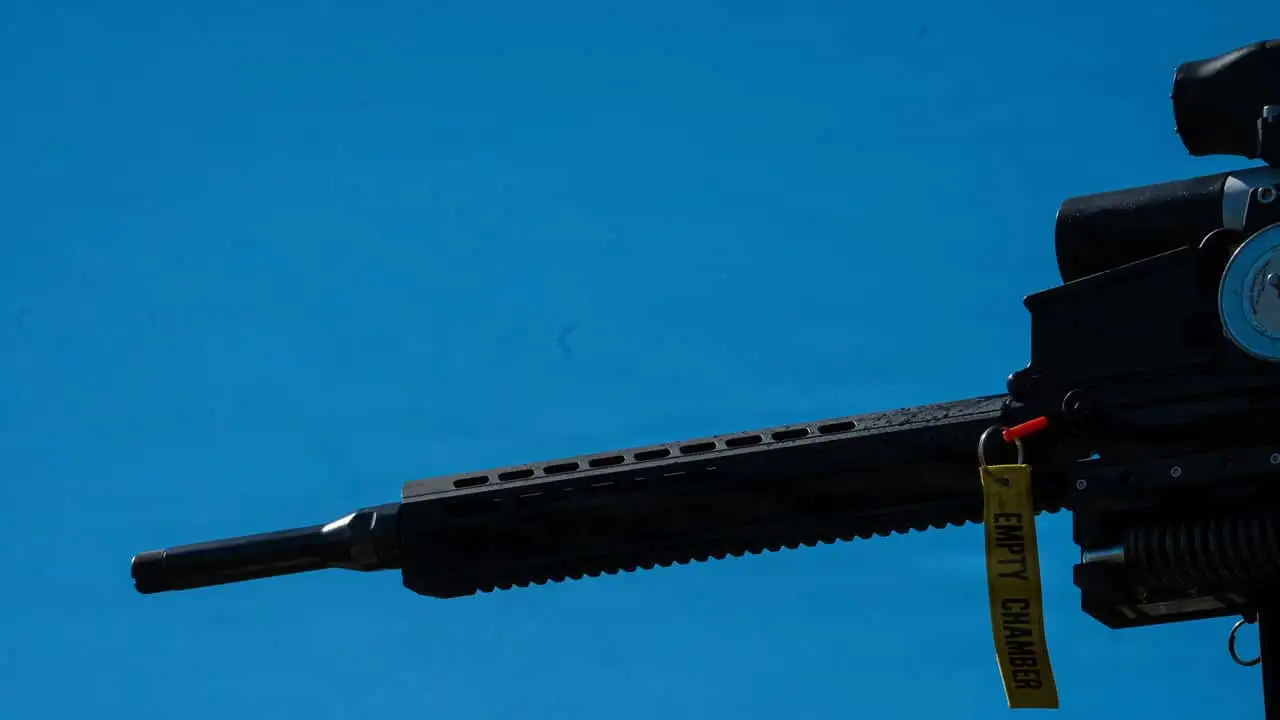
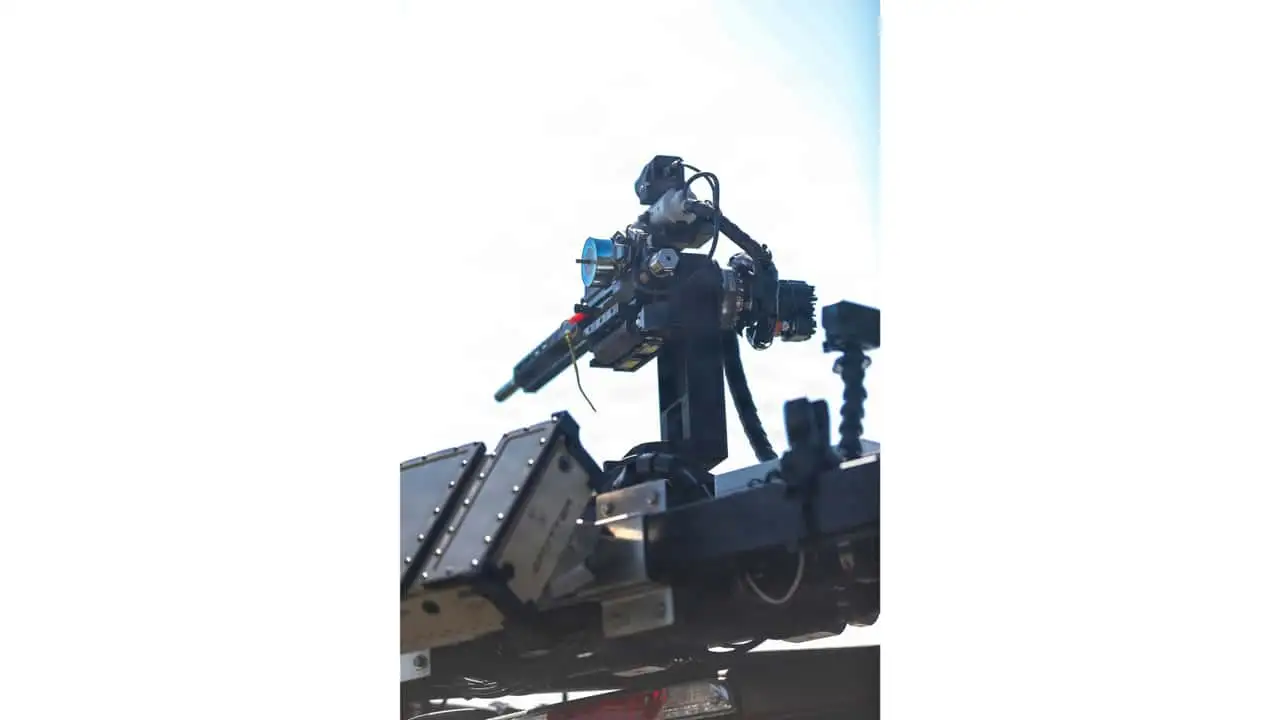
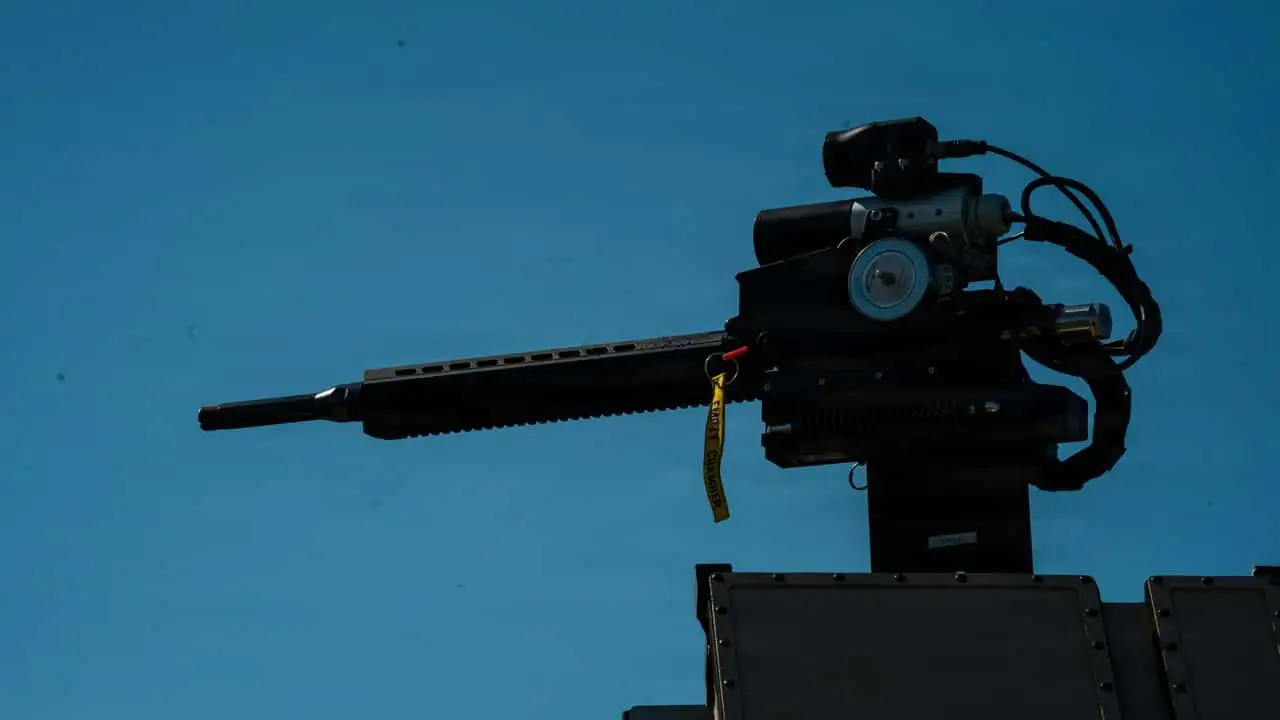
The prototype ties Forterra’s AutoDrive breaching package into an F-250 chassis and mounts a 9 Mothers Edda counter-drone turret in the bed, creating a truck that can clear lanes and defend itself from small drones at close range. Defense outlets including NextGenDefense report the Army is using Sandhills 2.0 to judge whether this mix is ready to leave the demo phase.
Forterra's AutoDrive Turns The F-250 Into A Robot Breacher
Forterra’s AutoDrive autonomy stack is being integrated under contract on Ford F-250s to handle what the Army calls automated obstacle reduction, meaning remotely supervised minefield and barrier clearing so combat engineers are not sitting in the blast lane. Instead of soldiers crawling forward to place charges, the F-250 drives the breach route while the crew monitors it from a safer distance.
Under the broader Sandhills 2.0 Autonomous Breaching and Terrain Shaping Operations effort, Forterra is the prime contractor supplying fully integrated autonomous breaching F-250s, pushing this setup from proof-of-concept toward an operational system that can plug into Army command-and-control tools and repeat the same mission profile day after day.
The Edda Turret Listens First, Then Shoots
The turret riding in the bed is the Edda counter-drone system from Austin-based 9 Mothers, a roughly 50-pound package sized for pickup trucks without heavy structural modifications. It uses an acoustic sensor array to cue its search, then hands off to onboard visual tracking that drives a computer-aimed shotgun mount.
According to 9 Mothers and Army test reporting, Edda is tuned for fast, small drones about 7 inches across, with effective engagement distances between roughly 30 and 330 feet. The standard configuration is fully passive on the sensing side, though an optional radar is on the spec sheet for buyers that want extra range at the cost of emitting their own signal.
That listen-then-confirm workflow mirrors how civilian trucks already blend cameras and radar in systems like Ford's BlueCruise hands-free driving system on the F-150: multiple sensors feed a computer that decides what to do next. Swap the shotgun for warning strobes and the basic detect, track, and act pattern would feel familiar to anyone who has used advanced driver assistance.
The Army’s logic for putting a breaching kit and a point-defense turret on one pickup is simple: a truck inching through a minefield is a soft target, and cheap drones give adversaries an easy way to harass or disable it. Sandhills 2.0 is the venue for proving that an autonomous breacher with built-in counter-drone protection is worth fielding at scale.